

 Thai
 English
Principles & Origins of Miracle Tai Chi®
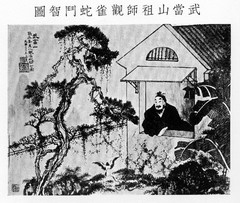
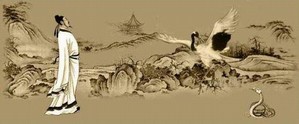
The English term “Tai Chi” comes from the Mandarin Chinese “Taiji” (太極; pinyin: tàijí). Its origins in China are said to date back more than 3,000 years.
In Traditional Chinese Medicine
Tai Chi is traditionally believed to nourish health, strengthen resistance to illness, promote a long and happy life, and preserve sexual vitality.
In Religious Traditions
Tai Chi is associated with the pursuit of the highest spiritual attainment.
In Mahayana Buddhism, this is described as attaining Buddhahood, or Cheng Fo (成佛).
In the Taoist interpretation presented here, it is associated with spiritual liberation and Shen Tong (神通), or spiritual abilities.
Both traditions seek paths of self-purification and transcendence. Buddhism speaks of liberation from the cycle of birth and death through Nirvana, while Taoism expresses the ideal of Tian Ren He Yi (天人合一)—“the unity of humanity and Heaven.”
Other approaches draw on Chinese martial arts, philosophical traditions and external martial arts systems.
Across these different traditions, Tai Chi has continued to hold an enduring place in cultural beliefs, customs and practices. More recently, medical research conducted at renowned universities worldwide has contributed to scientific recognition of its health benefits.
Chapter Two of the Chinese text on spiritual cultivation known as Sae-Mia-Fa-Huat states:
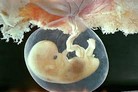
“The original nature of every human being is pure before birth. Curled within the mother’s womb, the unborn child neither breathes nor eats independently, yet the body gradually develops through ‘pure prenatal energy.’ This energy exists in harmony with our original constitution and innate nature. At birth, when the umbilical cord is cut, these energies separate, each taking on its own role.
The pathways of vital energy begin to carry qi and blood throughout the body. Postnatal energy, together with the breath, draws our original essence towards its dwelling in the heart, supporting blood circulation, strengthening the internal organs and building resistance to illness. Vital energy descends and gathers in the lower abdomen, bringing agility, ease of movement and vitality.
However, these two pure energies gradually come under the influence of sensations, emotions, learning and the patterns of daily life after birth. Their original purity diminishes and changes as we grow, undergoing further transformation as we enter old age. Eventually, they can no longer reunite in their original state of purity. Within this traditional understanding, this separation gives rise to physical and mental decline, and ultimately to illness.
Our true task in this human life is therefore to seek a return to our original nature and restore the balance of these energies to their state before birth.
Begin the journey of bringing these ‘two pure energies’ together again—today.
‘Only through Breathing Development Practice can these pure energies be freed from the influences that constrain them, allowing them to flourish and regain their original strength.’”
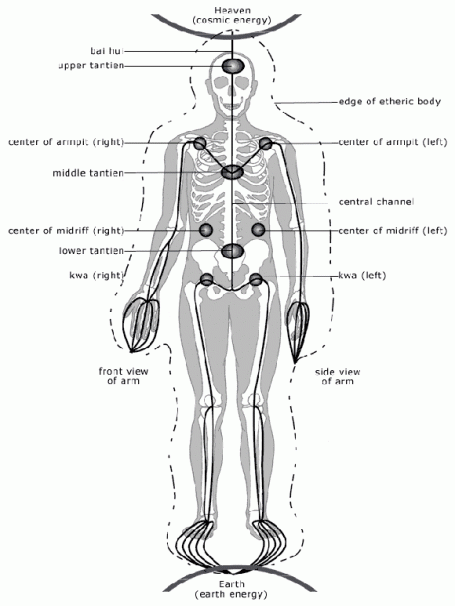
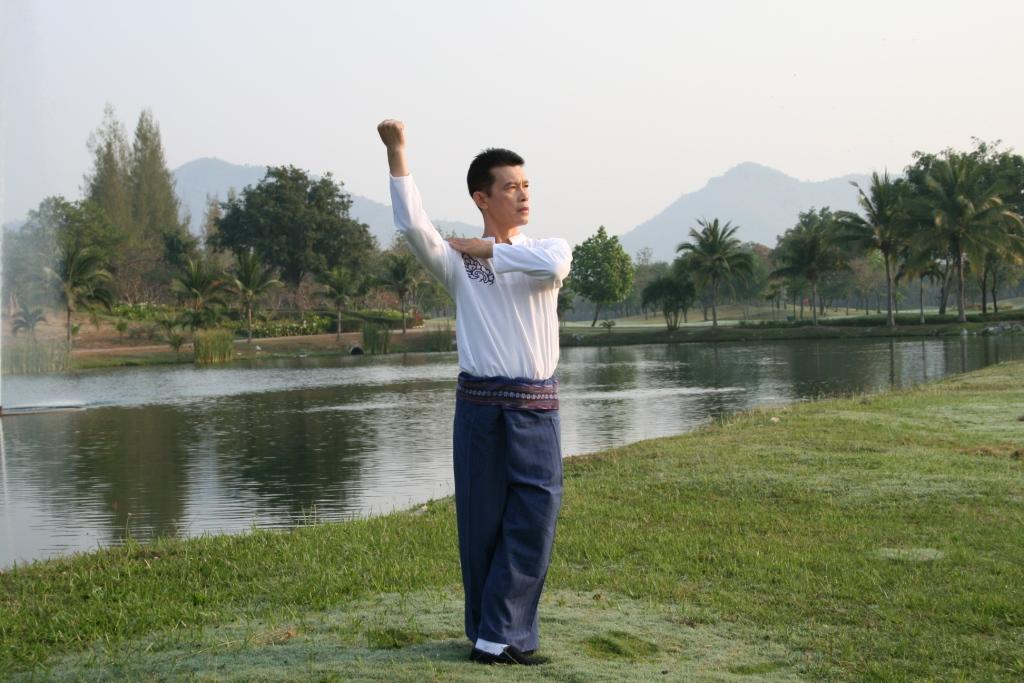
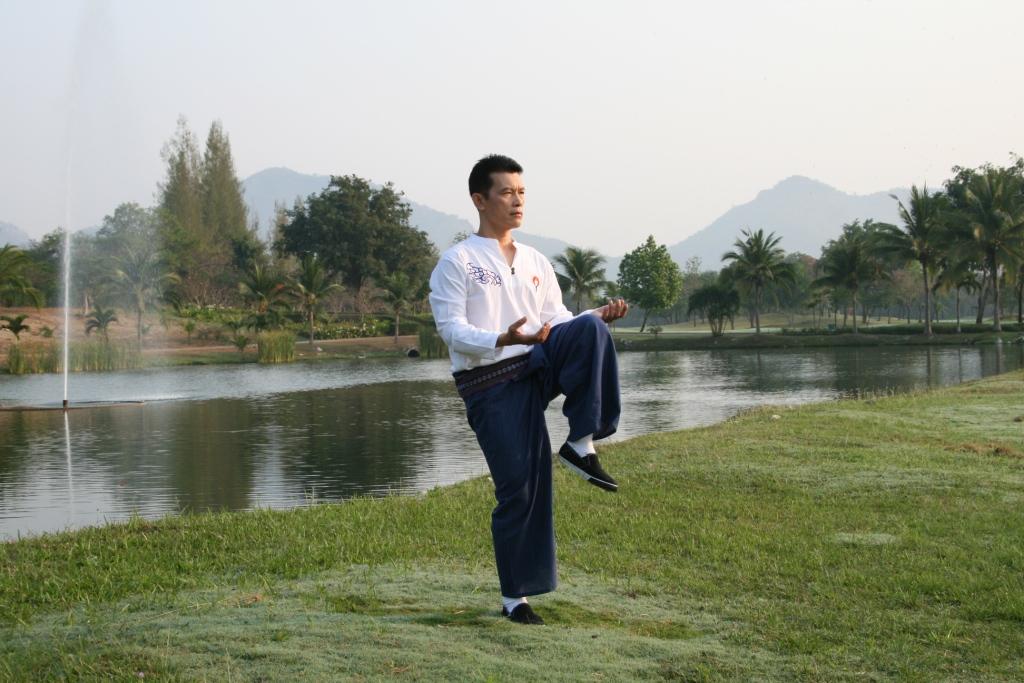
Miracle Tai Chi® is Breathing Development Practice—the Art of Movement for Physical and Mental Well-being.
Fundamental Principles of Practice
1. Breathing Development
Practise inhaling deeply through the nose for 4–6 seconds, following the “Wee” cue and the accompanying music.
The original teaching describes this inhalation as drawing air—including oxygen—and minerals produced through photosynthesis into the body, supporting metabolism, the delivery of oxygen and nutrients to tissues throughout the body, and the transport of waste products to the organs responsible for their elimination.
Exhale slowly through the mouth for 4–7 seconds, following the “Woo” cue and the rhythm of the music, releasing carbon dioxide and allowing worries and tension to ease with the outgoing breath.
Within this teaching, the emphasis is on nourishing healthy and newly formed tissues and cells. The stated aim is to strengthen them, increase their numbers, support immunity and limit the multiplication of tissues and cells affected by pathogens, rather than focusing primarily on eliminating affected tissues and cells.
2. Mindful, Coordinated Movement
Practise movement guided by the philosophy of balance from within outward, together with principles of anatomy, physiology, dynamics and psychology.
Through the art of movement, the brain, nervous system, muscles and skeletal system work together, exchanging signals and coordinating movement as an integrated whole—a holistic approach to health.
The practice aims to help prevent injuries to the knees and the lumbar, thoracic and cervical regions of the spine, while cultivating naturally balanced strength and well-being.
3. Awareness, Meditative Calm and Internal Energy
Cultivate awareness—being conscious of the present moment—and meditative calm, understood here as a state of relaxation. The practice also nurtures what this tradition calls health-sustaining internal energy, or “pure prenatal energy.”
These principles gave rise to Miracle Tai Chi®:
“Breathing Development Practice: The Art of Movement for Physical and Mental Well-being.”
To relax the body and calm the mind, help lower blood pressure, boost vitality and preserve youthful energy.
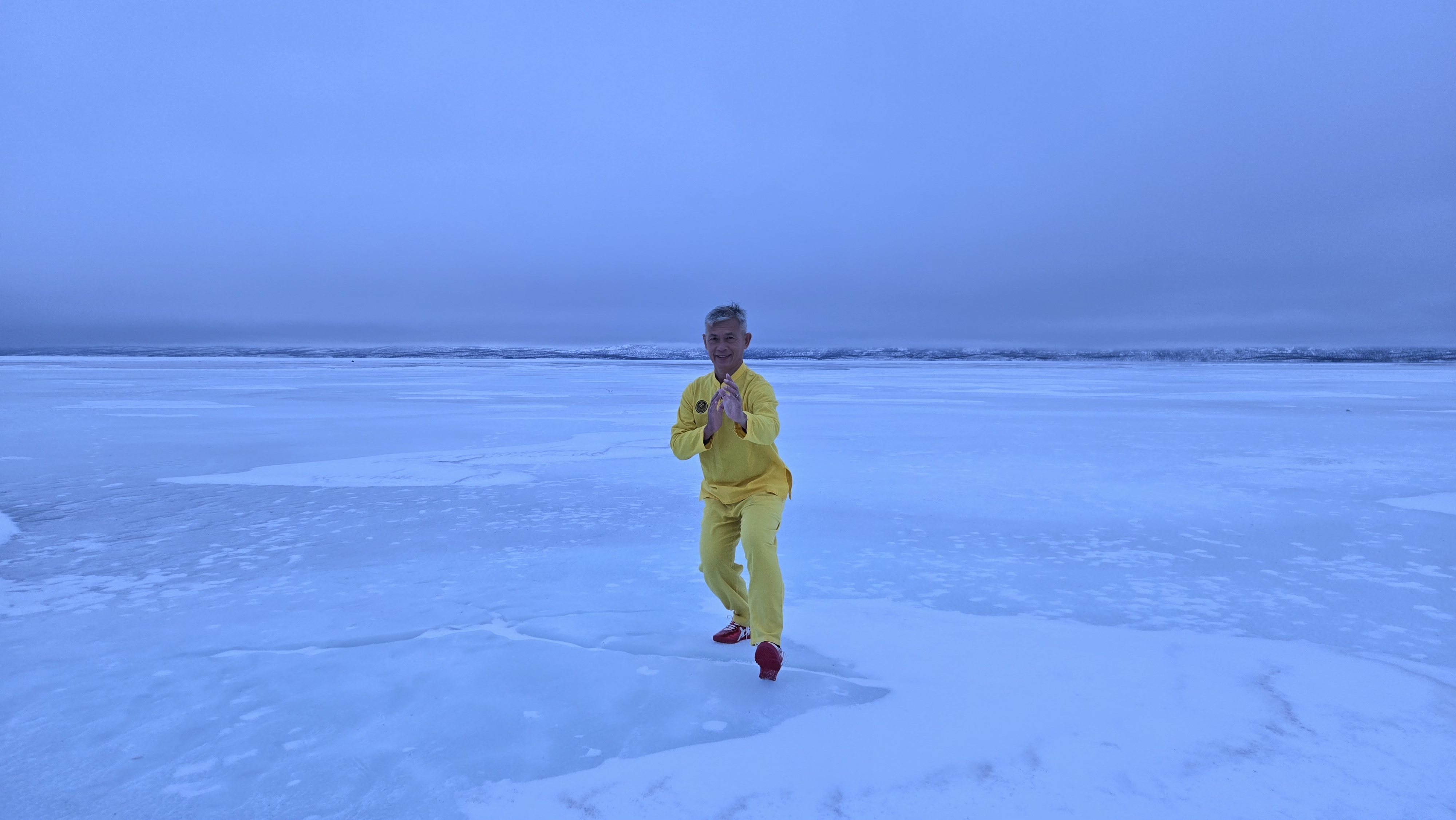
Through my own practice and teaching since August 1997, I have come to understand the challenges and obstacles of practice firsthand. Patience, perseverance and diligence have enabled me to practise consistently to this day. Looking back, I feel that:
“Without perseverance and a willingness to follow my teacher’s guidance from the very first day, I would not have achieved the good health I enjoy today.”
I would like to tell everyone:
“I feel deeply fortunate to have discovered this practice. To me, it is the most important discipline for physical, mental and spiritual well-being—a foundation for cultivating lasting health throughout life.”
This journey has also allowed me to inspire others, spark their interest in practice, deepen their knowledge and understanding, and encourage a more committed approach.
Over the years, I have met people of all ages and backgrounds: members of the public, government officials, executives and employees of private organisations, business owners, members of various clubs, and members of leading fitness centres in Bangkok and other provinces. Together with my involvement in Miracle Tai Chi research projects, these encounters have helped me understand why people’s exercise efforts sometimes fall short of their expectations.
Common obstacles include a lack of understanding of the essential principles of practice and its benefits, inconsistent participation driven by mood or convenience, and the absence of clear measures of physical fitness. These difficulties can result in wasted time and money, including membership fees, travel expenses and other costs.
Training is guided by the TPRV® system—Training, Practicing, Recording and VDO Shooting—developed by Master Somsak Inpuek, founder of Miracle Tai Chi®. This system promotes mutual understanding and cooperation between Miracle Tai Chi® and its students, ensuring quality training that helps students achieve their intended goals.
The following physical benefits are described in this teaching as outcomes of practising “Basic Breathing Development” correctly and consistently.
Physical Benefits
-
Breathing: Naturally deeper inhalation, described as supporting the delivery of air, minerals and blood to tissues throughout the body, including the cells of the brain, nerves, muscles, bones and joints.
-
Tissues and Cells: Healthy, strong tissues and cells, likened to those of a baby developing in the mother’s womb.
-
Brain and Nervous System: Relaxation throughout the brain and nervous system, attributed in this teaching to receiving air and minerals from the natural energy supplied daily by the universe, or through photosynthesis in plants.
-
Nerve Function: Greater efficiency in receiving information, instructions from the brain and sensory input. The teaching associates this with a powerful inner capacity—referred to as internal energy or subconscious power—and the release of “pure prenatal energy” from the influences that constrain it, enabling individuals to nurture their own health.
-
Muscles: The conversion of chemical energy into mechanical energy, relief from muscular aches and tension, and improved muscular strength and flexibility.
-
Bones: The teaching also describes an increase in stem cells within the body, attributing this to oxygen stimulating their movement from the bone marrow. These are described as vascular progenitor cells that contribute to the formation of new blood vessels in areas with an inadequate blood supply or at wound sites.
Mental Well-being
-
Cultivating Awareness: Maintain awareness of each inhalation and exhalation throughout the practice, gently settling the wandering mind until a sense of stillness emerges within movement.
-
Cultivating Meditative Calm: During practice, the brain, nervous system, muscles, bones and other parts of the body relax. When we feel happy and at ease, time seems to pass quickly. When we are waiting for something, unwell or distressed, time seems to move slowly. Within this teaching, meditative calm is understood as a state of true physical and mental contentment.
-
Restoring Pure Prenatal Energy: In this traditional understanding, practice frees pure prenatal energy from the influences that constrain it, nourishing health and supporting a return to nature. The aim is to restore the original balance of energy to its state before birth, fostering a long and happy life.
Spiritual Well-being
Within this philosophy, every human mind is pure at birth. Over time, sensations, emotions, learning and the patterns of daily life obscure that original purity, giving rise to emotional turbulence, restless thoughts, anxiety and sadness.
Correct and consistent Miracle Tai Chi® practice is understood within this tradition to support the following spiritual aspirations:
-
To cultivate and elevate the spirit, restoring its original purity within one’s lifetime.
-
To approach the highest spiritual attainment, as interpreted through the following religious traditions:
-
Mahayana Buddhism: Attaining Buddhahood, or Cheng Fo (成佛).
-
Taoism: Spiritual liberation, associated in this teaching with Shen Tong (神通), or spiritual abilities.
Both traditions are presented here as paths of self-purification and transcendence beyond the cycle of birth and death. Buddhism speaks of Nirvana, while Taoism expresses the ideal of Tian Ren He Yi (天人合一)—“the unity of humanity and Heaven.”